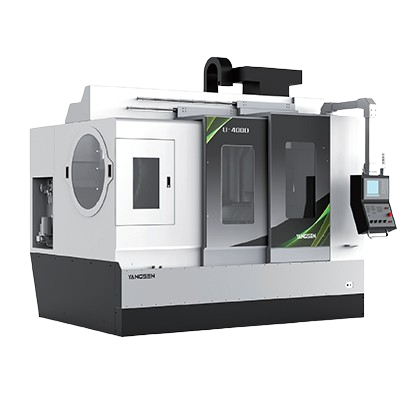
Não tem certeza se precisa de um centro de usinagem vertical, um centro de usinagem horizontal ou uma máquina pórtico? Você não está sozinho. Muitos compradores se concentram primeiro no preço ou nas especificações, apenas para descobrir mais tarde que a máquina não é a ideal para suas peças ou necessidades de produção.
A escolha da máquina CNC certa começa com a compreensão das suas necessidades de usinagem. A escolha correta pode aumentar a produtividade, reduzir os custos de usinagem e apoiar o crescimento do seu negócio.
Este guia irá orientá-lo passo a passo no processo de seleção — desde a identificação das suas necessidades de usinagem e a escolha do tipo de máquina adequado até a seleção do tamanho, configuração e fornecedor ideais — para que você possa investir com confiança.
Antes de comparar as especificações das máquinas ou solicitar orçamentos, pare um pouco e avalie suas reais necessidades de usinagem. A melhor máquina CNC não é aquela com as especificações mais altas, mas sim aquela que se adequa às suas peças, metas de produção e orçamento. Comece respondendo às seguintes perguntas.
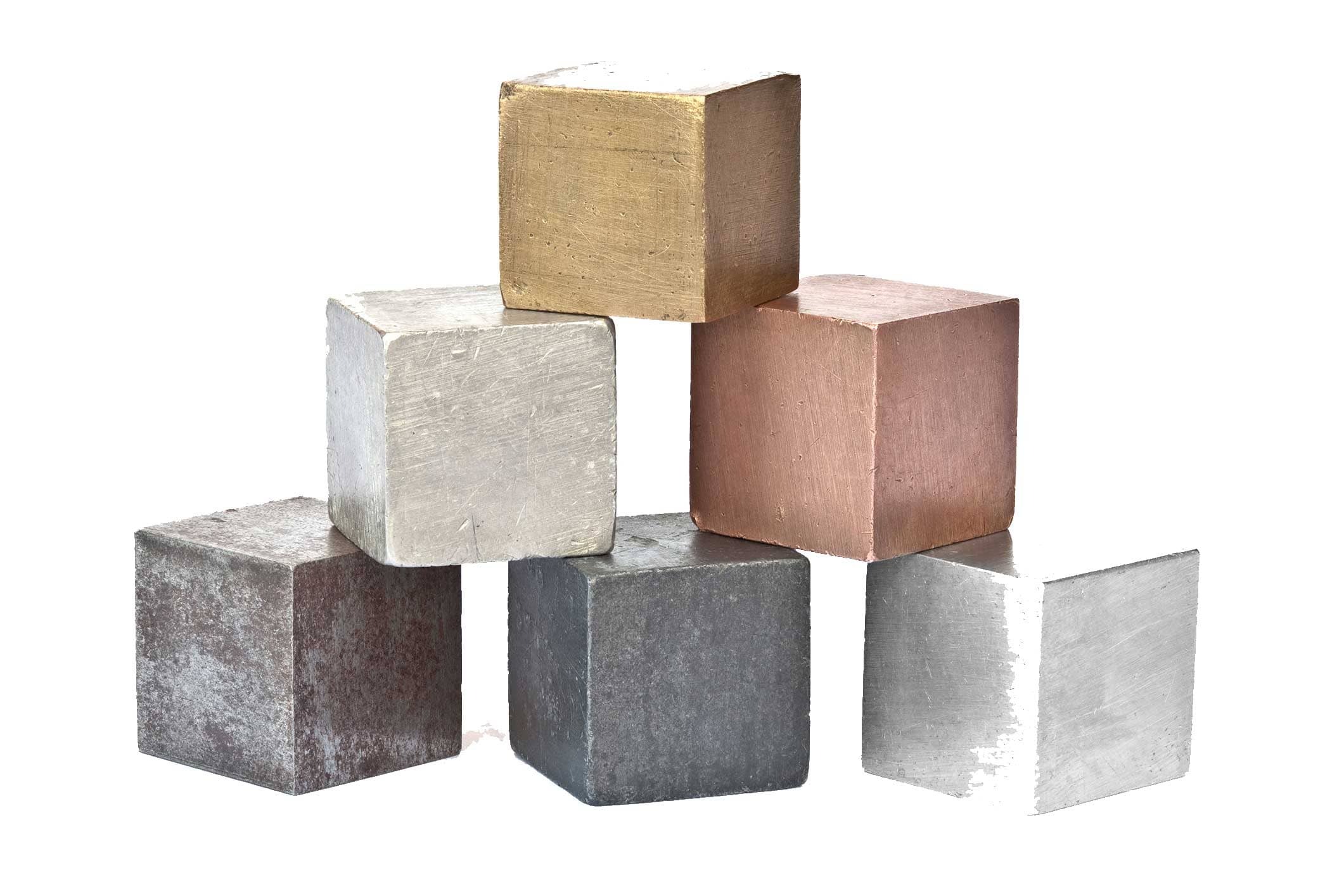
O material que você usina tem um impacto direto no tipo de máquina CNC e na configuração que você deve escolher. Materiais diferentes exigem velocidades de rotação, rigidez de corte e ferramentas diferentes.
Por exemplo:
Conhecer o material principal ajuda a definir o fuso, o tipo de guia e a estrutura da máquina mais adequados.
Nem todas as máquinas CNC são projetadas para o mesmo tipo de peça. Considere o tamanho, a forma e a complexidade das peças que você produz.
Por exemplo:
Escolher a máquina adequada ao tipo de peça que você produz é um dos passos mais importantes no processo de seleção.
O volume de produção determina se você deve priorizar flexibilidade, velocidade ou automação.
Protótipo ou usinagem personalizada: Flexibilidade e configuração rápida são frequentemente mais importantes do que automação.
Produção em pequenos e médios lotes: O equilíbrio entre produtividade e custo geralmente é a melhor opção.
Produção em grande escala: Recursos como trocadores automáticos de paletes, magazines de ferramentas maiores e operação contínua confiável podem melhorar significativamente a eficiência.
Pense não apenas nas suas necessidades de produção atuais, mas também em onde sua empresa estará nos próximos três a cinco anos. Escolher uma máquina com espaço para crescimento futuro pode ajudar a evitar atualizações dispendiosas mais tarde.
Após identificar suas necessidades de usinagem, o próximo passo é selecionar o tipo certo de máquina CNC. Cada máquina é projetada para diferentes aplicações, tamanhos de peças e objetivos de produção. Escolher o tipo certo de máquina melhorará a produtividade, reduzirá o tempo de usinagem e ajudará você a obter o melhor retorno sobre o seu investimento.
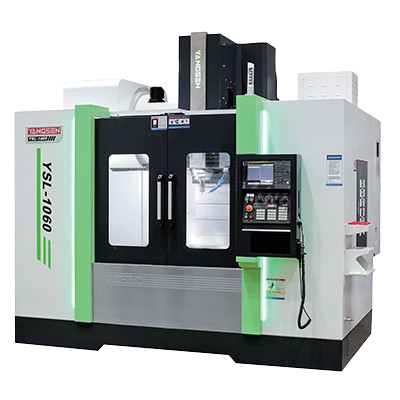
Um centro de usinagem vertical (VMC) é a máquina CNC mais versátil e amplamente utilizada. É uma ótima opção para fabricantes que buscam flexibilidade, custo-benefício e alta precisão de usinagem.
Escolha um VMC se você:
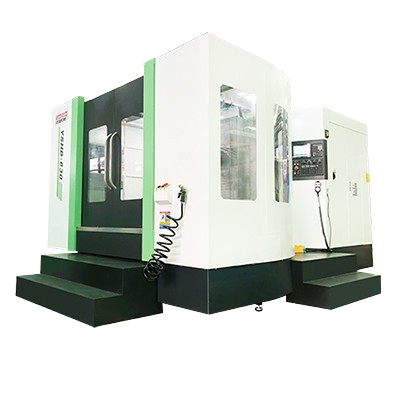
Os centros de usinagem horizontais (HMCs) são projetados para produção de alta eficiência, especialmente para peças em formato de caixa que exigem usinagem em vários lados.
Escolha uma HMC se você:
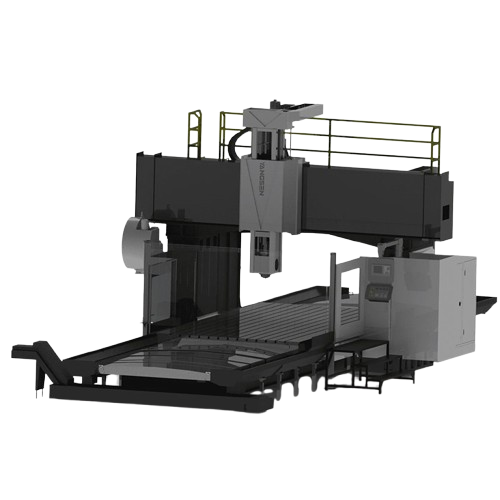
Os centros de usinagem tipo pórtico são construídos para peças de trabalho de grandes dimensões que não podem ser usinadas de forma eficiente em máquinas verticais padrão.
Escolha uma máquina de pórtico se você:
Um centro de usinagem de 5 eixos é a solução ideal para peças altamente complexas que exigem usinagem a partir de múltiplos ângulos sem reposicionamento repetido.
Escolha uma máquina de 5 eixos se você:
Escolher o tipo certo de máquina é apenas metade da decisão. O próximo passo é selecionar um tamanho de máquina que seja adequado às suas peças de trabalho. Uma máquina muito pequena limita a sua produção, enquanto uma muito grande aumenta tanto o investimento quanto os custos operacionais.
Os deslocamentos nos eixos X, Y e Z devem ser sempre maiores que as dimensões da peça. Deixe espaço suficiente para dispositivos de fixação, ferramentas e folga de usinagem segura.
Por exemplo, se a sua maior peça medir 800 × 500 mm, uma máquina com curso de 1.000 × 600 mm geralmente é uma escolha mais prática do que uma com o mesmo curso da peça.
Uma mesa de trabalho maior facilita a fixação de peças grandes ou a usinagem de várias peças em uma única configuração. Ao mesmo tempo, certifique-se de que a mesa suporte com segurança o peso das peças e dispositivos de fixação, especialmente componentes de aço pesados.
Não escolha uma máquina baseando-se apenas nas necessidades atuais. Se você prevê usinar peças maiores ou aumentar a produção no futuro, optar por um modelo um pouco maior agora pode evitar o custo de substituição da máquina posteriormente.
Após selecionar o tipo e o tamanho da máquina, é hora de escolher a configuração adequada. As opções certas podem melhorar a eficiência e a precisão da usinagem, enquanto atualizações desnecessárias apenas aumentam o seu investimento. Concentre-se nos recursos que atendem às suas necessidades de produção.
O eixo determina o desempenho da sua máquina durante o corte.
Escolha a velocidade do fuso com base no material principal, em vez de simplesmente selecionar a rotação por minuto (RPM) mais alta.
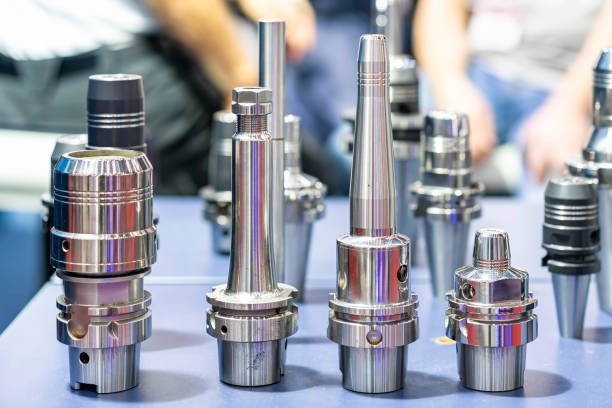
Os porta-ferramentas influenciam a rigidez, a estabilidade do corte e a precisão da usinagem.
Selecione o porta-ferramentas de acordo com suas necessidades de usinagem, em vez de seguir as tendências da indústria.
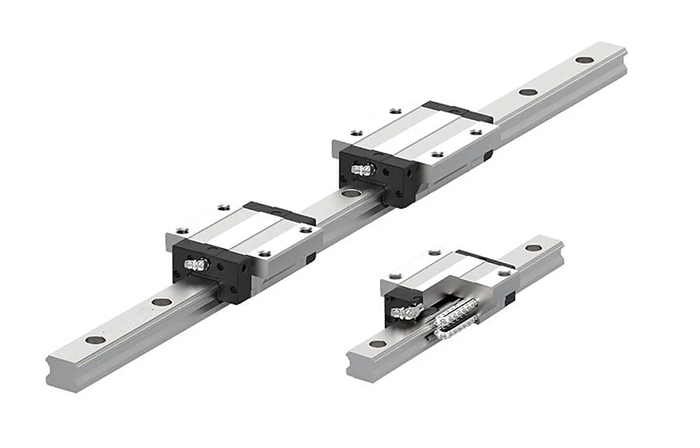
As guias influenciam a rigidez da máquina e o desempenho de corte.
O caminho guia ideal depende de qual prioridade você busca: velocidade ou força de corte.
Muitos recursos opcionais podem melhorar a produtividade, mas nem todas as máquinas precisam deles.
Considere opções como:
Escolha estas opções apenas se elas atenderem às suas necessidades de produção atuais ou futuras.
Seu orçamento deve equilibrar desempenho, produtividade e valor a longo prazo. A máquina mais barata pode resultar em custos de manutenção mais altos ou menor eficiência, enquanto a máquina mais cara pode incluir recursos que você nunca usará.
Se o seu orçamento for limitado, invista primeiro nos recursos que afetam diretamente o desempenho da usinagem, como a estrutura da máquina, o fuso e o sistema de controle. Atualizações opcionais podem sempre ser adicionadas posteriormente, caso suas necessidades de produção aumentem.
O preço de compra é apenas parte do investimento. Considere também:
Uma máquina confiável com custos operacionais mais baixos geralmente oferece melhor custo-benefício ao longo de sua vida útil.
Pense em onde sua empresa estará nos próximos anos. Se você prevê pedidos maiores ou projetos mais complexos, escolher uma máquina com espaço para expansão futura pode ser um investimento mais inteligente do que substituí-la posteriormente.
Mesmo as melhores especificações da máquina não garantem bons resultados se o fabricante não puder fornecer qualidade consistente e suporte confiável. Antes de tomar uma decisão final, avalie o fornecedor com o mesmo cuidado que você avalia a própria máquina.
Escolha um fabricante com experiência comprovada em projeto e produção de máquinas CNC. Uma empresa com anos de experiência em fabricação tem maior probabilidade de fornecer desempenho estável da máquina e melhorias contínuas do produto.
Pergunte como as máquinas são inspecionadas antes da entrega. Um fabricante confiável deve realizar verificações de qualidade abrangentes, incluindo inspeção da montagem da máquina, testes de precisão e usinagem de teste para garantir que cada máquina atenda às suas especificações.
Um suporte técnico ágil pode minimizar o tempo de inatividade quando surgem problemas. Verifique se o fornecedor oferece orientações de instalação, treinamento para operadores, suporte técnico remoto, peças de reposição e serviço pós-venda a longo prazo.
Procure fabricantes com experiência em atender o seu setor. Projetos bem-sucedidos nas áreas aeroespacial, automotiva, de fabricação de moldes, de energia ou de engenharia em geral demonstram que o fornecedor entende as diferentes aplicações de usinagem e as necessidades dos clientes.
Não escolha um fabricante apenas com base no preço. Um fornecedor confiável deve oferecer não só uma máquina de qualidade, mas também o suporte técnico e a assistência necessários durante toda a vida útil da máquina.
Como escolher a máquina CNC certa?
Comece definindo suas necessidades de usinagem, incluindo os materiais, o tamanho da peça, o volume de produção e os requisitos de precisão. Em seguida, escolha o tipo, o tamanho, a configuração e o fabricante da máquina mais adequados com base nessas necessidades.
Qual é a melhor opção: um centro de usinagem vertical ou horizontal?
Nenhuma é melhor em todas as situações. Os centros de usinagem verticais são ideais para usinagem em geral, moldes e peças planas, enquanto os centros de usinagem horizontais são mais adequados para componentes tipo caixa, usinagem multifacetada e produção em alto volume.
De que tamanho preciso para minha máquina CNC?
Sua máquina deve ter curso e mesa com capacidade suficientes para acomodar sua maior peça, deixando espaço para dispositivos de fixação e ferramentas. Também é importante considerar as necessidades futuras de produção, e não apenas os trabalhos atuais.
Devo escolher porta-ferramentas BT, BBT ou HSK?
A melhor escolha depende da sua aplicação. Os porta-ferramentas BT são adequados para a maioria das usinagens em geral. O BBT oferece maior rigidez para usinagem de alta velocidade e precisão, enquanto o HSK é comumente usado em aplicações exigentes de alta velocidade e alta precisão.
Em que funcionalidades opcionais vale a pena investir?
Opções como refrigeração através do fuso, um 4º ou 5º eixo, trocadores automáticos de paletes, magazines de ferramentas maiores e escalas lineares podem melhorar a produtividade e a precisão. Escolha esses recursos somente se eles atenderem às suas necessidades de produção e ao seu orçamento.
Como escolher um fabricante de máquinas CNC confiável?
Vá além das especificações da máquina. Considere a experiência de produção do fabricante, o processo de controle de qualidade, o suporte técnico, a disponibilidade de peças de reposição e as referências de clientes. Um fornecedor confiável pode oferecer suporte a longo prazo durante toda a vida útil da máquina.
A melhor máquina CNC é aquela que se adapta às suas peças, objetivos de produção e orçamento. Dedique um tempo para avaliar suas necessidades antes de tomar uma decisão e você obterá melhor desempenho e valor a longo prazo.
Não tem certeza de qual máquina é a ideal para você? Entre em contato com nossos especialistas em CNC para obter uma recomendação personalizada com base na sua aplicação.