As fresadoras CNC são amplamente utilizadas na manufatura moderna para a produção de peças metálicas de precisão em setores como o automotivo, aeroespacial, fabricação de moldes e usinagem em geral. Comparadas à fresagem manual, as fresadoras CNC oferecem maior eficiência, consistência e repetibilidade.
Mas, na produção real, o desempenho de uma fresadora CNC não é determinado apenas pela velocidade do fuso ou pelo curso. Ele depende principalmente da qualidade de seus componentes internos essenciais, como a estrutura e a base da máquina, o fuso, as guias lineares, os fusos de esferas, o controlador CNC e o sistema de troca de ferramentas. Essas peças vitais afetam diretamente a rigidez, o controle de vibração, a precisão de posicionamento, o acabamento superficial e a confiabilidade a longo prazo.
Neste artigo, explicaremos os principais componentes de um Fresadora CNC e demonstrar por que cada um deles é essencial para o desempenho e a produtividade da usinagem.
Uma fresadora CNC funciona como um sistema de usinagem completo. O controlador CNC lê o programa de usinagem e, em seguida, coordena a rotação do fuso e os movimentos dos eixos para remover o material com precisão e eficiência. Cada resultado de usinagem — precisão, acabamento superficial, tempo de ciclo e estabilidade — depende de como os sistemas principais funcionam em conjunto.
Em linhas gerais, a estrutura de uma fresadora CNC pode ser dividida em diversas áreas funcionais principais:
Sistema de movimento
Este sistema controla o movimento dos eixos X/Y/Z. Ele garante um deslocamento suave, uma taxa de avanço estável e um posicionamento preciso durante as operações de corte.
Sistema de eixo
O fuso fornece a potência de corte girando a ferramenta a uma velocidade e torque controlados. Ele desempenha um papel direto na estabilidade do corte e na qualidade da superfície.
Sistema de controle
O controlador CNC é o "cérebro" da máquina. Ele gerencia a coordenação de movimentos, a lógica de usinagem, as compensações da ferramenta e o controle do processo para garantir resultados consistentes.
Sistema de ferramentas
Isso inclui funções de fixação, armazenamento e troca de ferramentas. Suporta usinagem em múltiplas etapas e melhora a automação e a eficiência da produção.
Em resumo, cada componente vital contribui para o desempenho geral da máquina. Quando esses sistemas estão bem integrados, a fresadora CNC pode oferecer maior precisão, estabilidade e produtividade.
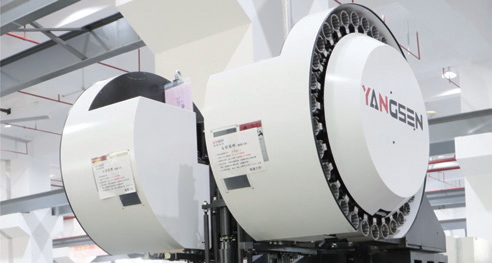
Para melhor compreender como uma fresadora CNC proporciona precisão e produtividade, seus componentes principais podem ser agrupados em quatro categorias principais. Cada categoria desempenha um papel diferente no desempenho da usinagem e, juntas, determinam a estabilidade, a precisão e a eficiência geral da máquina.
Os componentes estruturais formam a base da máquina. Eles suportam a carga de corte e mantêm a rigidez durante usinagem pesada.
Os componentes estruturais típicos incluem:
Estrutura da máquina
Cama/base
Coluna e estrutura móvel
Essas peças afetam principalmente a absorção de vibrações, a rigidez e a estabilidade a longo prazo.
Este grupo é responsável pelo controle de movimento e posicionamento dos eixos. Ele influencia diretamente a precisão e a repetibilidade da usinagem.
Os componentes típicos de movimento e acionamento incluem:
Guias lineares
Fusos de esferas
Transmissão servoacionada (sistema relacionado)
Essas peças determinam principalmente a suavidade da alimentação, a precisão do posicionamento e a estabilidade do movimento.
Esses componentes estão diretamente relacionados ao processo de corte. Eles impactam a capacidade de corte, a eficiência da usinagem e o gerenciamento de ferramentas durante a produção.
As peças típicas relacionadas a corte e ferramentas incluem:
Fuso
Interface do porta-ferramentas (sistema relacionado)
Trocador automático de ferramentas (ATC)
Revista Tool
Essa categoria afeta principalmente a potência de corte, a eficiência na troca de ferramentas e a produtividade.
Os componentes de controle e feedback garantem que a máquina funcione com precisão e consistência de acordo com o programa. Eles são essenciais para uma automação estável e para a confiabilidade da usinagem a longo prazo.
Os componentes típicos de controle e feedback incluem:
Controlador CNC
Codificadores e sistemas de feedback (sistema relacionado)
Sistema de controle elétrico e servo (sistema relacionado)
Essas peças afetam principalmente a coordenação dos movimentos, a consistência da usinagem e a confiabilidade do controle do processo.
A estrutura e a base da máquina são os alicerces de uma fresadora CNC. Elas suportam todos os principais componentes, como o cabeçote do fuso, a mesa de trabalho, as guias e o sistema de acionamento. Durante a usinagem, as forças de corte atuam continuamente sobre a estrutura, portanto, rigidez e estabilidade são cruciais.
Uma estrutura de cama e um colchão de alta qualidade ajudam a:
Manter a rigidez estrutural sob cargas de corte pesadas
Reduzir a vibração e minimizar a trepidação durante a fresagem
Manter a precisão geométrica estável ao longo de longos ciclos de usinagem.
Se a estrutura da máquina for frágil, isso pode levar a um acabamento superficial ruim, controle de tolerância instável e desgaste mais rápido dos principais componentes móveis.
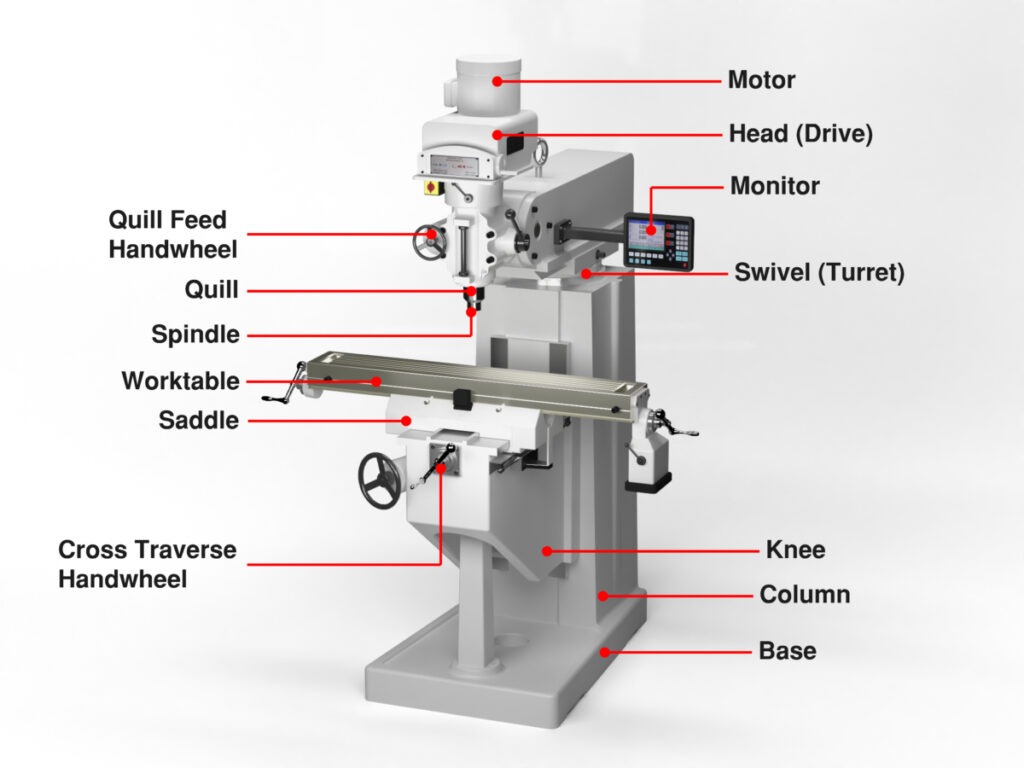
O fuso é um dos componentes mais importantes para o desempenho de uma fresadora CNC. Ele aciona a rotação da ferramenta de corte e determina diretamente a estabilidade do corte e a capacidade de usinagem.
O fuso influencia o desempenho da usinagem através de:
velocidade (permite acabamento de alta eficiência)
torque (suporta desbaste pesado e corte de materiais duros)
Qualidade do rolamento e estabilidade térmica (afeta a precisão e a vida útil)
Um eixo estável ajuda a obter um acabamento superficial mais suave, melhor consistência dimensional e maior vida útil da ferramenta, especialmente em produção contínua ou de alta velocidade.
As guias lineares orientam o movimento dos eixos da máquina e garantem um deslocamento suave e preciso. Elas são essenciais para manter a estabilidade do posicionamento e reduzir erros de movimento durante o corte.
As vias-guia lineares contribuem para:
Movimento suave do eixo com baixo atrito
Alta rigidez sob carga para suportar uma fresagem estável.
melhor repetibilidade para usinagem em lote
Se as guias não forem rígidas ou precisas, a máquina poderá sofrer com vibrações, movimentos de alimentação irregulares e redução da precisão ao longo do tempo.
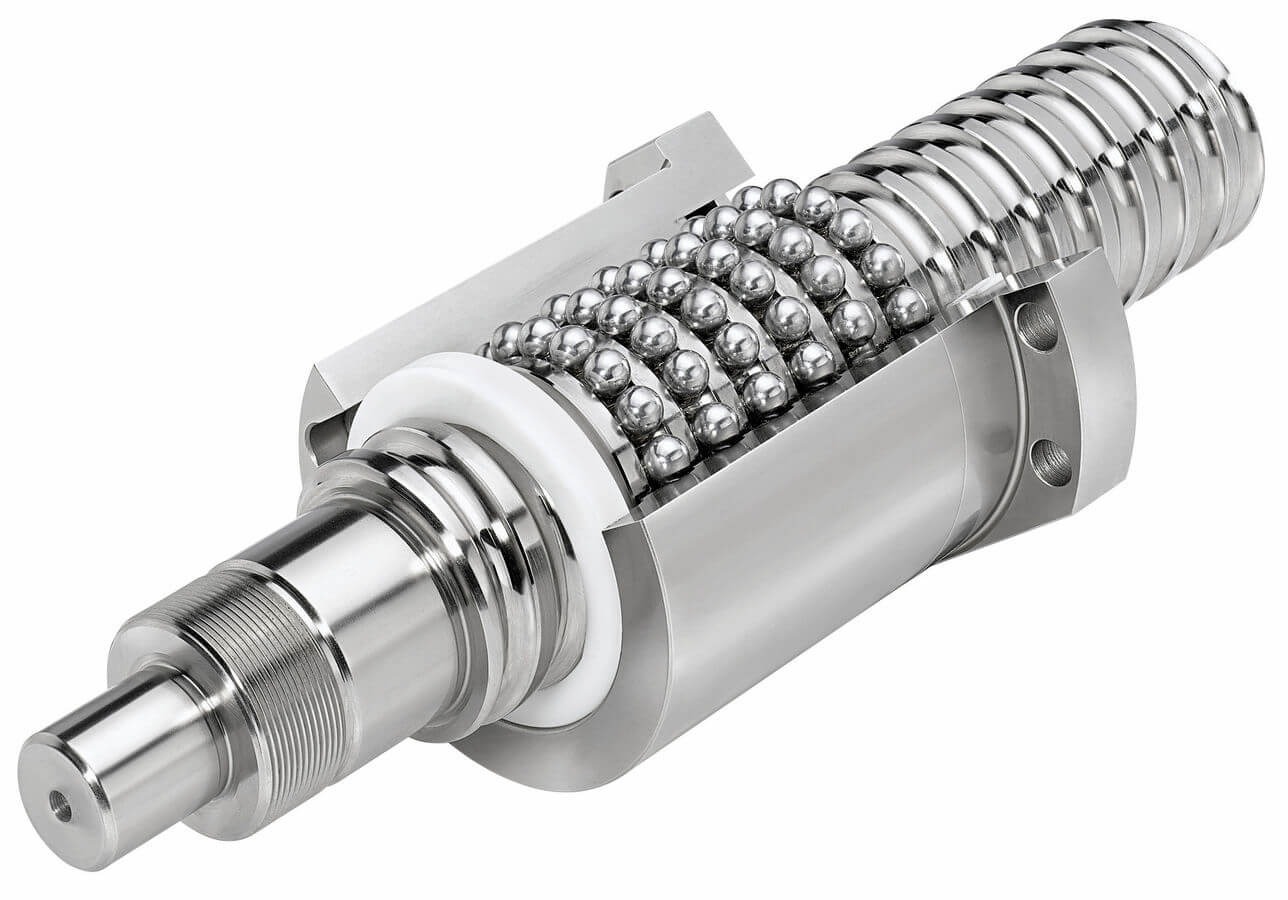
Os fusos de esferas convertem a rotação do servomotor em movimento linear preciso para avanço e posicionamento dos eixos. São componentes essenciais que influenciam a precisão, a repetibilidade e a consistência da usinagem a longo prazo.
Os fusos de esferas proporcionam principalmente:
Posicionamento preciso para cada movimento do eixo
Transmissão estável de alimentação durante o corte
Repetibilidade aprimorada para produção em massa
Se os fusos de esferas se desgastarem ou apresentarem baixa precisão, os problemas comuns incluem folga, variação dimensional e redução da precisão do contorno — especialmente em operações detalhadas de fresagem e furação.
O controlador CNC é o "cérebro" da fresadora CNC. Ele lê o programa de usinagem e controla todos os movimentos dos eixos, operações do fuso e funções da ferramenta de forma coordenada.
Um controlador CNC é essencial para:
coordenação de movimento e precisão de interpolação
controle de avanço durante usinagem de contornos complexos
estabilidade do processo e consistência da usinagem
Suporte a funções de automação, como troca de ferramentas e compensações.
Mesmo com componentes mecânicos robustos, um controlador fraco pode reduzir a eficiência da usinagem, limitar a suavidade do movimento ou causar instabilidade em processos de usinagem de precisão.
Um trocador automático de ferramentas (ATC) é um componente essencial para a automação moderna de fresamento CNC. Ele permite a troca rápida de ferramentas sem operação manual, melhorando a produtividade em usinagem de múltiplas etapas.
O ATC ajuda a:
Reduzir o tempo de troca de ferramentas e a carga de trabalho do operador.
Suportar múltiplas operações de usinagem em um único ciclo.
Aumentar a eficiência e a consistência da produção.
Um sistema ATC confiável é especialmente importante para a produção em lotes, onde trocas de ferramentas estáveis e repetíveis afetam diretamente o tempo de atividade e o fluxo de usinagem.
O magazine de ferramentas é o sistema de armazenamento que comporta várias ferramentas e funciona em conjunto com o trocador automático de ferramentas (ATC). Ele permite que a máquina prepare e gerencie as ferramentas de forma eficiente durante a usinagem contínua.
Uma revista de ferramentas oferece suporte a:
Armazenamento organizado de ferramentas para diferentes etapas de usinagem
Produção contínua sem carregamento manual frequente de ferramentas
Tempo de ciclo mais rápido para peças multiferramenta
Se o sistema de magazine de ferramentas for instável, pode causar erros na seleção de ferramentas, interrupções na troca de ferramentas ou redução da confiabilidade da automação, afetando tanto a produtividade quanto a segurança da usinagem.
Uma fresadora CNC não é definida por um único componente "ideal". O verdadeiro desempenho da usinagem provém de quão bem as peças vitais funcionam em conjunto como um sistema completo. Cada peça tem sua função, mas elas precisam estar em equilíbrio para alcançar precisão estável, alta eficiência e produção confiável.
Eis como os componentes principais se coordenam durante a usinagem:
O controlador CNC funciona como o centro de comando. Ele lê o programa e envia instruções para controlar os movimentos dos eixos, a velocidade do fuso, a taxa de avanço e as ações de troca de ferramentas.
Os fusos de esferas e as guias lineares executam os comandos do controlador, proporcionando um movimento suave e preciso dos eixos. Eles garantem que a máquina possa se posicionar corretamente e manter a repetibilidade durante o corte contínuo.
A estrutura e a base da máquina suportam toda a estrutura. Elas resistem às forças de corte, absorvem vibrações e mantêm a geometria estável, especialmente durante fresamento pesado ou usinagem de longa duração.
O fuso realiza o trabalho de corte propriamente dito. Ele deve fornecer velocidade e torque estáveis, mantendo a precisão, o que afeta diretamente o acabamento da superfície e a consistência da usinagem.
O magazine de ferramentas e o sistema ATC (trocador automático de ferramentas) possibilitam a automação. Eles armazenam ferramentas e as trocam rapidamente, permitindo que uma única máquina execute múltiplas operações sem intervenção manual.
Em resumo, o desempenho de uma fresadora CNC depende da coordenação entre rigidez mecânica, precisão de movimento, estabilidade do fuso e automação do controle. Uma máquina atinge seus melhores resultados somente quando essas partes vitais estão bem combinadas e projetadas para funcionar como um sistema integrado.
As peças vitais de uma fresadora CNC não são apenas componentes básicos — elas determinam diretamente o desempenho da máquina na produção real. Do controle de tolerância ao tempo de ciclo e à confiabilidade a longo prazo, a qualidade e a coordenação desses componentes afetam todos os resultados da usinagem.
A precisão da usinagem depende da capacidade da máquina de posicionar e cortar corretamente, repetidamente e de forma consistente.
A estrutura e a base da máquina proporcionam rigidez para evitar deformações durante o corte.
Guias lineares e fusos de esferas controlam o movimento preciso do eixo e reduzem os erros de posicionamento.
O controlador CNC garante uma coordenação de movimento precisa e uma execução de usinagem estável.
Se algum desses componentes for frágil, a máquina poderá ter dificuldades em manter tolerâncias rigorosas, especialmente em fresagem de alta precisão ou usinagem de ciclo longo.
A qualidade da superfície não é afetada apenas pelas ferramentas de corte — ela também depende muito da estabilidade da máquina.
Um eixo estável reduz a vibração e proporciona um corte suave.
Guias de alta qualidade permitem um movimento de alimentação constante, sem trepidação ou travamento.
Uma estrutura rígida da máquina ajuda a suprimir vibrações, melhorando os resultados de acabamento.
Quando essas peças funcionam bem juntas, a máquina consegue produzir acabamentos de superfície mais limpos e com menos marcas de ferramentas.
Em oficinas reais, a confiabilidade muitas vezes importa mais do que a velocidade máxima. Uma fresadora CNC deve manter-se estável após um longo período de operação, e não apenas no primeiro dia.
Componentes estruturais robustos reduzem o risco de desalinhamento a longo prazo.
Fusos de esferas e guias duráveis mantêm a precisão por mais tempo com menos desgaste.
Um sistema de controle confiável melhora a estabilidade e reduz erros inesperados.
Sistemas estáveis de troca automática de ferramentas (ATC) e de magazine de ferramentas reduzem a probabilidade de falhas na troca de ferramentas.
Uma melhor qualidade dos componentes geralmente significa menos avarias e uma vida útil mais longa da máquina.
Maior produtividade não se resume apenas a taxas de alimentação mais rápidas — trata-se de manter a máquina funcionando de forma eficiente com menos tempo de inatividade.
Um eixo confiável proporciona maior eficiência de corte e desempenho estável.
O sistema ATC (trocador automático de ferramentas) com magazine de ferramentas reduz o trabalho manual e diminui o tempo de ciclo.
Componentes com movimentos precisos reduzem o retrabalho, a taxa de refugo e a pressão de inspeção.
Sistemas de máquinas estáveis permitem usinagem contínua não tripulada ou semiautomática.
Resumindo, componentes vitais de alta qualidade ajudam a melhorar o tempo de atividade, encurtar os ciclos de usinagem e proporcionar uma produção mais consistente por turno.
Quais são as partes mais importantes de uma fresadora CNC?
Os componentes mais importantes incluem a estrutura e a base da máquina, o eixo-árvore, as guias lineares, os fusos de esferas, o controlador CNC, o trocador automático de ferramentas (ATC) e o magazine de ferramentas. Estes determinam a rigidez, a precisão, a automação e o desempenho geral da usinagem.
Quais componentes afetam mais a precisão da usinagem?
A precisão depende principalmente da rigidez estrutural, da precisão das guias e dos fusos de esferas, e do desempenho do controlador com sistemas de feedback. Componentes de alta qualidade garantem tolerâncias rigorosas e resultados repetíveis.
A substituição de certas peças pode melhorar o desempenho da máquina?
Sim. Melhorias como fusos de esferas de alta precisão, um eixo-árvore melhor, um controlador CNC avançado ou um trocador automático de ferramentas (ATC) aprimorado podem melhorar a precisão, o acabamento superficial e a automação. Os ganhos de desempenho dependem do projeto geral da máquina e do suporte estrutural.
Qual componente afeta mais o acabamento da superfície?
O acabamento superficial é influenciado principalmente pela estabilidade do eixo-árvore, guias lineares, fusos de esferas e rigidez da estrutura. Um eixo-árvore estável e um movimento suave dos eixos reduzem as marcas de vibração e melhoram a qualidade do acabamento.
De que forma o ATC e o magazine de ferramentas impactam a produtividade?
Um sistema confiável de troca automática de ferramentas (ATC) e um magazine de ferramentas permitem trocas rápidas e automatizadas, possibilitando usinagem em múltiplas etapas sem intervenção manual. Isso reduz o tempo de ciclo, aumenta a eficiência da produção e minimiza a dependência do operador.
Devo levar em consideração os componentes ao comparar marcas de máquinas CNC?
Com certeza. Comparar especificações como curso ou velocidade do fuso não é suficiente. Avaliar a qualidade das peças principais e sua integração — estrutura, fuso, guias, fusos de esferas, controlador e trocador automático de ferramentas (ATC) — proporciona uma visão mais clara do desempenho e da confiabilidade da usinagem no mundo real.