
O desempenho da sua máquina CNC não está atendendo às expectativas?
O problema pode não ser a sua máquina — pode ser o seu fuso.
Na usinagem CNC, a escolha é entre:
Eixo de alta velocidade (precisão e acabamento)
Eixo de alto torque (potência e corte pesado)
Afeta diretamente a sua eficiência, a qualidade da superfície e a vida útil da ferramenta.
Portanto, a questão fundamental é simples:
Você precisa de velocidade ou de força de corte?
Este guia detalhará as principais diferenças para ajudá-lo a escolher o fuso certo para sua aplicação.
Um fuso de alta velocidade é projetado para operar em velocidades de rotação muito altas (RPM), normalmente de 12.000 a 40.000 RPM ou mais, dependendo da configuração da máquina.
Mas não se trata apenas de "girar mais rápido".
Trata-se de alcançar:
Maior precisão de corte
Melhor acabamento de superfície
Desempenho estável em alta velocidade
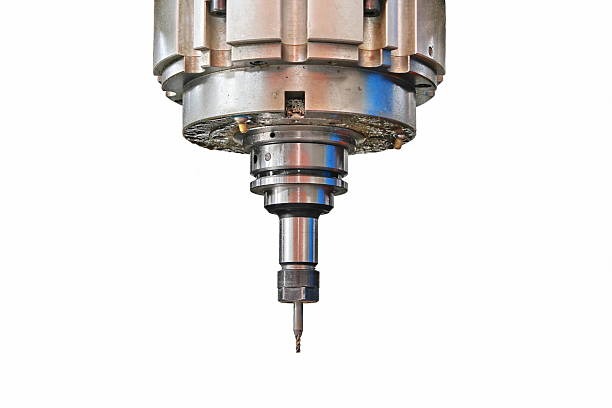
Dependendo da estrutura e da aplicação, os fusos de alta velocidade são geralmente divididos em:
Eixo motorizado (embutido)
O motor está integrado diretamente no eixo.
Ideal para usinagem de altíssima velocidade e precisão.
Eixo de alta velocidade acionado por correia
Utiliza um sistema de transmissão por correia para aumentar a velocidade.
Mais econômico, porém ligeiramente menos preciso.
Eixos refrigerados a ar/óleo/água
Projetado para controlar o calor em altas rotações.
Essencial para manter a precisão e a vida útil.
Interfaces de ferramentas de alta velocidade (HSK / BT30 / BT40)
Otimizado para fixação e balanceamento de ferramentas em alta velocidade.
Para operar em altas rotações por minuto (RPM), a estrutura do fuso é muito diferente dos fusos padrão:
Projeto de motor integrado
Reduz a perda de transmissão e melhora a resposta.
Rolamentos de alta precisão (geralmente de cerâmica)
Menor atrito, maior capacidade de velocidade
Sistema de balanceamento dinâmico
Minimiza a vibração em altas rotações.
Sistema de controle térmico
Impede a expansão térmica que afeta a precisão.
Em termos simples:
Os fusos de alta velocidade são projetados para precisão, estabilidade e rotação suave.
Pergunte a si mesmo:
Você está usinando alumínio, cobre ou grafite?
Você precisa de um acabamento de superfície fino sem polimento secundário?
Você trabalha com moldes, superfícies 3D ou contornos complexos?
Se a sua resposta for sim, então um fuso de alta velocidade é a escolha certa.
Porque em velocidades mais altas:
As forças de corte são menores
O engajamento da ferramenta é mais suave.
A qualidade da superfície melhora significativamente.
Vantagens | Desvantagens |
Excelente acabamento de superfície | Torque limitado em baixas rotações. |
Ideal para usinagem de precisão | Não é adequado para cortes pesados. |
Maior eficiência para ferramentas pequenas | Custo mais elevado devido aos componentes de precisão. |
Força de corte e vibração reduzidas | Sensível a sobrecargas e calor. |
Um fuso de alto torque é projetado para fornecer uma forte força de corte em velocidades mais baixas, normalmente de 3.000 a 12.000 RPM, dependendo da máquina e da configuração.
Ao contrário dos fusos de alta velocidade, que priorizam a rotação, os fusos de alto torque priorizam a potência, a estabilidade e a capacidade de remoção de material.
Isso significa que eles são construídos para suportar:
cargas de corte pesadas
Materiais duros
Ferramentas de grande diâmetro
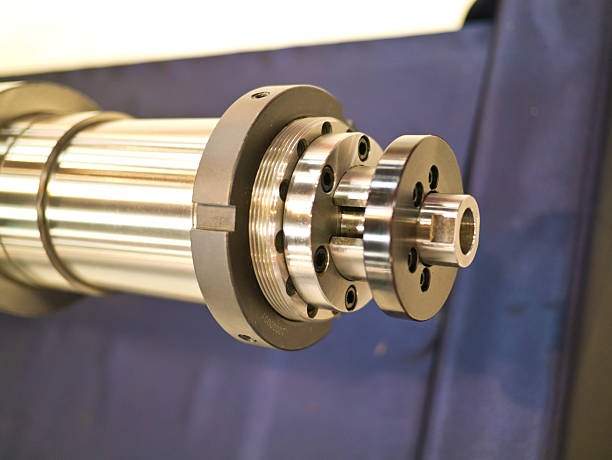
Os fusos de alto torque são geralmente classificados com base em sua estrutura de transmissão:
Eixo acionado por engrenagem
Utiliza uma caixa de engrenagens para amplificar o torque.
Adequado para usinagem pesada e cortes profundos.
Eixo acionado por correia
Proporciona um equilíbrio entre velocidade e torque.
Mais flexível e com melhor relação custo-benefício
Eixo de alto torque com acionamento direto
Fornece torque sem transmissão mecânica.
Oferece melhor resposta e menor vibração.
Interfaces para ferramentas de alta resistência
Projetado para suportar ferramentas de corte grandes e cargas elevadas.
Para gerar um torque maior, a estrutura do eixo é reforçada de diversas maneiras:
Caixa de câmbio ou sistema de transmissão reforçado
Aumenta o torque para cortes pesados.
Eixo de fuso de grande diâmetro
Aumenta a rigidez e a capacidade de carga.
Rolamentos de Alta Carga
Projetado para resistir a forças de corte e impactos.
Carcaça rígida do eixo
Aumenta a estabilidade durante usinagem profunda e agressiva.
Em termos simples, os fusos de alto torque são construídos para oferecer resistência, rigidez e durabilidade sob carga.
Pergunte a si mesmo:
Você está usinando aço, aço inoxidável ou ferro fundido?
Suas peças exigem cortes profundos ou altas taxas de remoção de material?
Você está usando ferramentas de corte grandes ou usinando componentes pesados?
Se a resposta for sim, então um eixo de alto torque é a melhor escolha.
Porque nessas condições:
A resistência ao corte é alta.
A estabilidade torna-se crucial.
O torque afeta diretamente a eficiência e a vida útil da ferramenta.
Um fuso de alta velocidade pode ter dificuldades nessa situação, mas um fuso de alto torque é projetado exatamente para esse tipo de trabalho.
Vantagens | Desvantagens |
Forte capacidade de corte | Velocidade máxima reduzida |
Adequado para materiais duros | O acabamento da superfície pode exigir processamento secundário. |
Estável sob carga pesada | Menos eficiente para ferramentas pequenas e acabamentos finos. |
Suporta cortadores de grande diâmetro | Estrutura mais pesada e aceleração mais lenta. |
A escolha entre fusos de alta velocidade e de alto torque não se resume apenas às especificações.
Isso afeta diretamente a eficiência da usinagem, a qualidade da superfície e o custo total de produção.
Para facilitar a decisão, vamos analisar as principais diferenças que realmente importam na produção prática.
Eixo de alta velocidade
Normalmente utiliza uma estrutura motorizada (embutida) com design compacto.
Tem como foco a redução de peso, inércia e vibração em altas rotações por minuto (RPM).
Eixo de alto torque
Geralmente utiliza sistemas acionados por engrenagens ou por correias reforçadas.
Projetado com eixos maiores e carcaça mais robusta para maior rigidez.
Em termos simples:
A alta velocidade visa uma rotação suave, enquanto o alto torque visa resistência e estabilidade.
Eixo de alta velocidade
Mais adequado para:
Alumínio, cobre, grafite
Ferramentas pequenas e peças de precisão
Superfícies complexas e operações de acabamento
Eixo de alto torque
Mais adequado para:
Aço, aço inoxidável, ferro fundido
Ferramentas grandes e componentes pesados
Processos de corte profundo e desbaste
Se o material for duro ou a peça for grande, a compatibilidade torna-se crucial.
Eixo de alta velocidade
Geralmente mais caro devido a:
Rolamentos de alta precisão
Sistemas de refrigeração
Requisitos de balanceamento dinâmico
Eixo de alto torque
Mais rentável para usinagem pesada, especialmente quando:
É necessária uma alta taxa de remoção de material.
A vida útil da ferramenta é um fator crucial.
A verdadeira diferença não está apenas no preço, mas em como cada fuso contribui para o seu retorno sobre o investimento (ROI).
Eixo de alta velocidade
Requer montagem e alinhamento precisos.
As condições de instalação são mais rigorosas devido à sensibilidade à vibração e ao calor.
Eixo de alto torque
Mais robusto e mais fácil de integrar em máquinas de grande porte.
Mais adequado para grandes centros de usinagem e configurações estáveis.
Eixo de alta velocidade
Requer controle cuidadoso de:
Temperatura
Lubrificação
Condições de carga
O uso inadequado pode afetar rapidamente a precisão e a vida útil.
Eixo de alto torque
Mais tolerante a condições de carga pesada, mas:
Os sistemas de engrenagens requerem manutenção periódica.
O desgaste a longo prazo requer monitoramento.
Fator | Eixo de alta velocidade | Eixo de alto torque |
RPM | Alto (12.000–40.000) | Baixo–Médio (3.000–12.000) |
Torque | Baixo | Alto |
Tipo de corte | Corte/acabamento leve | Corte pesado / desbaste |
Acabamento da superfície | Excelente | Moderado |
Tamanho da ferramenta | Ferramentas pequenas | Ferramentas grandes |
Materiais | Metais macios | Metais duros |
Estrutura | Motorizado, compacto | Acionado por engrenagem/correia, rígido |
Estabilidade sob carga | Mais baixo | Mais alto |
A escolha entre um fuso de alta velocidade e um fuso de alto torque não se resume a qual deles é melhor.
Trata-se de escolher a opção que melhor se adapta às suas necessidades reais de produção.
Se você escolher o eixo errado, poderá enfrentar os seguintes problemas:
Menor eficiência
Má qualidade da superfície
Aumento do custo das ferramentas
Portanto, antes de tomar uma decisão, analise os principais fatores abaixo.
Comece com sua principal tarefa de usinagem.
Se o seu trabalho se concentra em:
Acabamento do molde
usinagem de contorno 3D
Peças de precisão
Um eixo de alta velocidade é mais adequado.
Se o seu trabalho envolve:
Desbaste pesado
Componentes estruturais
Peças de trabalho grandes
Um eixo de alto torque é a melhor opção.
O seu fuso deve ser compatível com o material e as ferramentas utilizadas.
Eixo de alta velocidade:
Funciona melhor com materiais macios.
Adequado para ferramentas de pequeno diâmetro.
Eixo de alto torque:
Projetado para materiais rígidos
Suporta cortadores grandes e cargas elevadas.
A falta de ajuste nessa região geralmente leva ao desgaste da ferramenta ou à instabilidade da usinagem.
Pense em como suas peças são processadas.
Alta precisão e acabamento fino
Eixo de alta velocidade:
Corte profundo e alta remoção de material
Eixo de alto torque:
Se o seu processo incluir ambas as etapas, você poderá precisar de uma abordagem combinada.
Não julgue apenas com base no preço inicial.
Eixo de alta velocidade:
Custo inicial mais elevado
Agrega valor através da precisão e do acabamento.
Eixo de alto torque:
Mais eficiente para cortes pesados.
Melhor controle de custos na produção em massa.
O importante é avaliar o custo por peça, e não apenas o preço da máquina.
Seu orçamento deve incluir mais do que apenas o custo do equipamento.
Considerar:
Consumo de ferramentas
Tempo de ciclo
Volume de produção
Taxa de sucata
Às vezes, um fuso de custo mais elevado pode, na verdade, reduzir o custo total de produção.
É aqui que muitas decisões dão errado.
Pergunte a si mesmo:
Você precisa de estabilidade a longo prazo sob cargas pesadas?
Você precisa de precisão consistente ao longo do tempo?
O tempo de inatividade é uma grande preocupação na sua produção?
Eixo de alta velocidade:
Requer manutenção mais rigorosa.
Sensível a sobrecargas e calor.
Eixo de alto torque:
Mais resistente em condições extremas.
Mais fácil de gerenciar em ciclos de produção longos.
Do ponto de vista do retorno sobre o investimento (ROI):
Alta velocidade → Maior valor para peças de precisão
Alto torque → Maior eficiência para produção em massa
Em muitas aplicações do mundo real, a melhor solução não é escolher uma em detrimento da outra, mas sim combinar ambas:
Alto torque para desbaste
Alta velocidade para acabamento
Essa abordagem maximiza tanto a eficiência quanto a qualidade.
Um único eixo consegue lidar com alta velocidade e alto torque simultaneamente?
Em teoria, sim. Alguns fusos modernos são projetados para oferecer uma faixa de velocidade e torque mais ampla.
No entanto, na produção real:
Os fusos de alta velocidade são otimizados para precisão e acabamento.
Eixos de alto torque são otimizados para cortes pesados.
Um fuso híbrido pode oferecer flexibilidade, mas geralmente não consegue igualar o desempenho de um fuso especializado em condições extremas.
Se a sua aplicação se concentra claramente em um tipo específico de usinagem, um fuso dedicado ainda é a melhor opção.
Qual fuso é melhor para usinagem de moldes e matrizes?
Depende da etapa de usinagem.
Etapa de desbaste → Eixo de alto torque para remoção eficiente de material
Etapa de acabamento → Eixo de alta velocidade para qualidade da superfície
Para a maioria dos fabricantes de moldes, uma combinação de ambos oferece os melhores resultados.
Por que meu fuso tem dificuldades com cortes pesados ou causa vibração?
Isso geralmente indica que o eixo não fornece torque suficiente.
As causas comuns incluem:
Utilizando um fuso de alta velocidade para materiais duros
Rigidez insuficiente para a carga de corte
O tamanho da ferramenta excede a capacidade do fuso.
A troca para um fuso de alto torque pode melhorar significativamente a estabilidade e o desempenho de corte.
Uma rotação por minuto (RPM) mais alta é sempre melhor para usinagem?
Não. Rotações mais altas melhoram a velocidade de corte, mas apenas quando combinadas com as condições adequadas.
Sem torque suficiente:
A força de corte diminui
O desgaste da ferramenta aumenta
Queda na eficiência
O segredo é equilibrar velocidade e torque com base no material e na profundidade de corte.
Qual eixo é melhor para alumínio e qual para aço?
Alumínio, cobre, grafite → Eixo de alta velocidade
Aço, aço inoxidável, ferro fundido → Eixo de alto torque
Utilizar o fuso errado para o material pode levar a um desempenho deficiente e a custos mais elevados.
Qual é a opção de fuso mais econômica?
A opção mais rentável não é o eixo mais barato, mas sim aquele que oferece o melhor desempenho:
Desempenho estável
Maior vida útil da ferramenta
Maior eficiência
Menor custo por peça
Em muitos casos:
Eixos de alta velocidade agregam valor em indústrias de precisão.
Eixos de alto torque agregam valor em usinagem pesada.
A diferença entre fusos de alta velocidade e fusos de alto torque se resume a uma coisa: o que sua usinagem realmente exige.
Os fusos de alta velocidade são construídos para precisão e qualidade de superfície, enquanto os fusos de alto torque são projetados para resistência e corte pesado.
Escolher o modelo certo significa combinar o fuso com o material, as ferramentas e os objetivos de produção.
Ainda não tem certeza de qual eixo é o mais adequado para sua aplicação?
Compartilhe suas necessidades de usinagem conosco e nós o ajudaremos a encontrar a solução mais adequada.